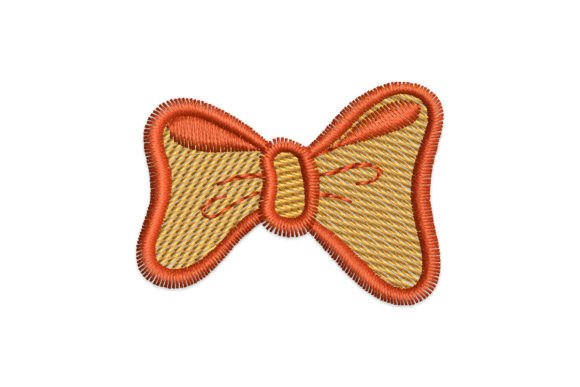
Bow Tie Embroidery Design Review
As an experienced embroidery designer, I recently had the chance to review the Bow Tie machine embroidery design. This piece is positioned in the Accessories category under Embroidery, and it promises to add a touch of elegance to fabrics. The description mentions that it complements shirts, hoodies, and jeans, making it a versatile choice for small business merch and branded patches.
First Impressions: A Touch of Elegance with Playfulness
The Bow Tie design immediately caught my attention with its blend of elegance and playfulness. It feels both professional and friendly, which makes it suitable for a variety of businesses. Whether you're running a boutique, café, or handmade shop, this design has a classic charm that can enhance your brand's visual identity without being too bold or overwhelming.
The name itself suggests a sense of sophistication, and the imagery associated with bow ties—formal yet approachable—adds to its appeal. It’s not just a decorative element; it’s a subtle way to convey professionalism and style.
Real Business Use: Where Bow Tie Shines
The Bow Tie embroidery design offers a range of applications for small businesses looking to incorporate branding into their merchandise. Here are some real-world scenarios where it could be used effectively:
- Embroidered Patches: Perfect for creating branded patches that can be added to jackets, bags, or even promotional items.
- Staff Uniforms: Adds a refined detail to work shirts, aprons, or caps, helping to create a cohesive look across your team.
- Tote Bag Design: Can serve as a subtle accent on tote bags, reinforcing brand recognition without overpowering the design.
- Cap Embroidery: Ideal for adding a stylish touch to baseball caps, especially for events or customer gifts.
- Product Packaging Accents: Offers a unique way to embellish packaging, giving your products a more premium feel.
- Etsy Branding: Great for handmade product labels or packaging, helping to elevate the overall presentation.
This design also works well for custom apparel and craft business assets. Its versatility makes it a valuable addition to any digital embroidery file collection, especially for those who need a go-to design for commercial embroidery projects.
Cautions and Considerations
While the Bow Tie design is elegant and adaptable, there are certain situations where it should be used carefully. For instance:
- Small Patch Sizes: The design may lose clarity if reduced too much, so it's important to test it at the intended size before finalizing.
- Cap Fronts: Due to the curved surface, the design might require adjustments to maintain its shape and visibility.
- Curved Surfaces: Embroidering on items like mugs or curved fabric pieces may affect how the design appears.
- High Stitch Density: If the design includes intricate details, ensure that the stitch density is appropriate for the fabric type.
- Fabric Texture: Textured fabrics may alter the appearance of the design, so always test it on the actual material.
- Dark Uniforms: Thread color contrast is crucial for visibility on dark fabrics. Choose thread colors that stand out against the background.
- Frequent Washing: Designs on items that will be washed often should be tested for durability and colorfastness.
Impact on Brand Identity and Customer Perception
The Bow Tie design contributes positively to brand identity by adding a touch of refinement and personality. It helps establish a visual consistency across different merchandise, which is essential for building customer trust and recognition.
For small businesses, using this design on small business merch such as apron embroidery or tote bag design can significantly enhance the perceived value of the product. It also plays a role in creating a more professional and handmade presentation, which is especially appealing to customers who appreciate craftsmanship.
When used thoughtfully, the Bow Tie can become a signature element of your brand, increasing buyer engagement and encouraging repeat purchases.
Practical Embroidery Designer Notes
Before using the Bow Tie in any commercial project, here are some practical tips for embroidery designers:
- Test in Black and White: Always start with a black and white version to assess the design's structure and clarity.
- Check Small Patch Size: Ensure the design maintains its integrity when scaled down for patches or caps.
- Review Thread Color Contrast: Select thread colors that provide good visibility on the intended fabric.
- Inspect Spacing: Make sure there's enough space between elements to prevent overcrowding.
- Confirm Hoop Size: Verify that the hoop size required for this design matches your equipment.
- Test on Real Fabric: Always do a test run on the actual fabric you'll be using.
- Use Proper Stabilizer: Especially important for delicate or textured fabrics to prevent puckering.
- Create a Mockup: Provide a printable mockup for client approval before proceeding with production.
- Compare with Other Assets: Ensure the design aligns visually with other design assets in your brand's portfolio.
- Confirm Commercial Licensing: Always verify that the digital embroidery file comes with proper licensing for commercial use.
The Bow Tie embroidery design is a valuable asset for small business owners and embroidery shops alike. With its elegant yet playful aesthetic, it offers a wide range of uses—from brand identity reinforcement to enhancing custom apparel and handmade product presentations. As long as it's used thoughtfully and tested thoroughly, it can be a great addition to any commercial embroidery project.